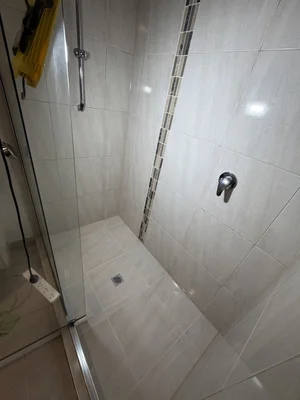
A damp patch creeping along the bathroom wall rarely means the whole room needs to come out. Most leaking showers in Melbourne homes trace back to failed silicone, cracked grout, or waterproofing membrane that’s broken down after years of daily use.
Older units often carry the original membrane from a build decades ago, and that membrane doesn’t last forever; it degrades quietly, long before a leak showers on the surface. And by the time water marks appear on a ceiling below or skirting boards start to swell, the damage has usually been building for months. Most homeowners go through this, and that’s why they must know what a leaking shower causes and what the fix is.
This guide walks through what actually causes a shower to leak, the warning signs worth catching early, and which bathroom shower repair in Melbourne fixes the problem for good rather than papering over it for another six months.
Why Shower Develops Leaks
Most shower leaks come down to materials wearing out faster than homeowners expect. Silicone and grout are built to flex with the bathroom, but they don’t last forever. Once they crack or pull away, water finds its way through to the layers underneath.
In older Melbourne properties, the waterproofing membrane itself can break down after years of humidity and hard water, and once that happens, no amount of surface resealing fixes the problem.
Common Causes of Leaking Showers
Silicone seals drying out and cracking around hobs and glass screens
Grout wearing thin between tiles, letting water soak into the substrate
Waterproofing membrane applied too thin or missed at corners and joints
Poor original installation, including incorrect fall, pitching, or curing time
Age and wear from constant humidity and daily use
Warning Signs Your Shower Is Leaking
A dripping tap often gets noticed faster, but a shower leak is harder to spot. Because the problem is often building quietly behind the tiles and under floors, and most of the time you only catch it once one of these shows up.
Here are some warning signs that show your silicone is failing.
1. Damp Patches on Walls
A damp patch near the shower often means water is escaping behind the tiles rather than staying where it should. If it spreads or darkens over time, the leak might be getting worse.
2. Cracked or Missing Grout
Grout lines with visible gaps let water soak straight into the substrate underneath. A quick run of your finger along the lines will tell you if it’s crumbling or pulling away.
3. Mold and Mildew Growth
Mold spreading beyond the usual spots, especially near skirting boards or under the vanity, signals trapped moisture that cleaning alone won’t fix. It keeps coming back because the source hasn’t been addressed.
4. Damaged Silicone Seals
Silicone that’s turned black, gone brittle, or lifted away from the wall has stopped doing its job. Water passes straight through the gap it leaves behind.
5. Water Leaks Outside the Shower
Puddles or damp flooring outside the shower base, after the water’s been off for a while, point to a leak rather than normal splashback. This one often means the problem has already reached the subfloor.
Leak or Just Condensation? How to Tell
Condensation and a real leak can look similar at first; both leave damp patches and both show up right around the shower area. The difference comes down to how they behave once the room’s had time to air out.
Run the extractor fan or crack a window after a shower, and it should dry within an hour or two, usually on the glass, mirror, or tiles directly facing the water. It won’t spread beyond the shower area, and it won’t leave a mark that darkens or grows over several days. However, the damp patch comes back in the same spot, shower after shower, no matter how well the room’s ventilated. It shows up outside the shower zone too, on skirting boards, adjoining walls, or the ceiling below, and it tends to get worse rather than dry out. That’s a job for licensed waterproofers, and it’s worth understanding what licensed waterproofers do and why it matters before deciding on a fix.
Can You Fix a Leaking Shower Without Retiling?
In most cases, yes, shower repair in Melbourne is possible without retiling.
If the leak’s coming from failed silicone, cracked grout, or a waterproofing membrane that’s still largely intact, resealing, regrouting, or targeted re-waterproofing fixed the problem without touching a single tile.
Retiling becomes necessary when the damage goes deeper than the surface. If the waterproofing membrane has broken down over a large area, if water’s reached the subfloor or timber framing, or if tiles are cracked, loose, or hollow across several sections, patching the surface won’t solve it. The only way to know which situation applies is an inspection.
Elkan Group inspects every leaking shower before recommending a fix, so you’re never paying for a retile you don’t need or a surface repair that won’t hold. We specialise in bathroom restoration and repair across Melbourne, resealing, regrouting, epoxy grouting, leaking shower repairs, and waterproofing, with the experience to tell a surface issue from a membrane failure at a glance.
Effective Methods for Leaking Shower Repairs Without Retiling
Which shower repairs in Melbourne makes sense depends on where the leak’s actually coming from. Here’s how each cause gets fixed.
Resealing
Removes the old, failed silicone around hobs, screens, and corners, and replaces it with a properly cured seal. This closes off the exact gaps water’s been slipping through.
Regrouting
Clears out cracked or missing grout between tiles and repacks the joints. Without this, those gaps act as a direct path for water into the layers underneath.
Epoxy Grouting
A non-porous alternative to standard grout, used where a shower keeps failing despite repeated repairs. It resists water and molds far longer, cutting down on repeat callouts.
Spot Waterproofing
Targets the exact section of membrane that’s failed, a corner, joint, or hob, rather than ripping up the whole floor. It stops the leak at its source without unnecessary demolition.
Silicone Replacement Around Fixtures
Reseals the joints around screens, tapware, and drains, areas standard repairs often skip, closing off leak points that get missed.
Conclusion
Most leaking showers in Melbourne come down to one of a handful of fixable causes, failed silicone, cracked grout, or a section of waterproofing that’s given out. Catch the signs early and a bathroom shower repair in Melbourne sorts it out in days, without a single tile coming off the wall. Leave it too long, and what started as a damp patch can turn into subfloor damage, mold, and a bill that’s a lot harder to swallow.
Elkan Group inspects before quoting, so the fix matches what’s actually wrong rather than a guess. If your shower’s showing any of the signs covered here, get it looked at now rather than waiting for it to get worse. Book an inspection and find out exactly what it needs.
Frequently Asked Questions (FAQs)
1. Can a leaking shower be fixed without retiling?
In most cases, yes. Resealing, regrouting, or spot waterproofing fixes the majority of leaks without removing tiles.
2. How do I know if my shower is leaking or it’s just condensation?
Condensation dries up within an hour or two once the room’s aired out. A leak returns in the same spot and spreads beyond the shower area.
3. How much does it cost to fix a leaking shower in Melbourne?
Cost depends on the cause and how far the damage has spread, so an inspection gives you an accurate quote.
4. How long does a shower leak repair take?
A straightforward reseal or regrout is usually done within a day or two, while membrane repairs can take longer depending on the extent of the damage.
5. What happens if I ignore a leaking shower for too long?
Untreated leaks spread to the subfloor, framing, and adjoining rooms, turning a simple repair into a far costlier one.