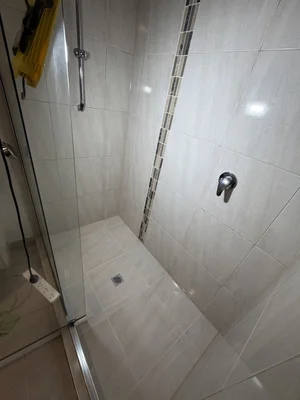
A leak could be coming from the membrane, the grout, the silicone or a pipe, and each of these needs a different fix. This is where a lot of homeowners feel confused, wondering where to even start or who to even ask. Calling the wrong trade or the right trade with the wrong approach means you can end up paying more or for the wrong job.
That’s why understanding what licensed waterproofers actually do matters and helps a lot in hiring the right ones. You get a clear picture of what proper bathroom waterproofing in Melbourne involves, what a good quote should include and which questions to ask before any work starts. Through this blog, you’ll uncover what exactly a licensed waterproofer involves and why it matters.
Why Bathroom Waterproofing Matters in Melbourne
Waterproofing sits beneath the tiles, so most people only think about it when something goes wrong. Melbourne’s mix of older homes, changing weather and daily shower moisture means a few situations call for it more than others.
When waterproofing becomes essential
Renovating a bathroom: Once the old tiles come off, the new membrane is what protects the walls and floor from every shower after.
Living in an older home: Many Melbourne bathrooms still have their original membrane, and it has usually worn out by now.
Dealing with a leaking shower: If water has reached the wall or floor, the membrane is the problem. Grout and silicone alone won’t fix it.
Noticing damp or a musty smell: If it shows up in the next room, moisture has likely reached the wall or floor underneath.
Why the right professional matters
Each of these situations needs a different fix. A leaking shower needs its source found first. A renovation needs a new membrane, and our guide to bathroom restoration in Melbourne explains what that project involves from start to finish. And a good waterproofer identifies the exact problem before starting, so you pay for the right repair the first time. In fact, the right professionals do the job in the right order, so you don’t have to doubt the final result.
What Do Professional Waterproofers Actually Do?
Waterproofing runs in stages, and every stage protects the one that follows. A professional works through it like this.
Inspect the bathroom: The waterproofer starts by looking for cracks and movement in the substrate. Next is the slope, which has to fall towards the drain, and the drain’s position matters too. All of this decides how much work lies ahead.
Prepare the surfaces: Cleaning and priming give the membrane a surface it can grip. Corners and wall-to-floor joints then get bond breakers and bandaging because these spots flex as the building moves.
Apply the membrane: The membrane is the actual waterproof barrier, so a weak spot here means a leak later. That is why it goes on in at least two coats, each at the thickness the manufacturer specifies and fully dry before the next.
Conduct the test: A membrane can look fine and still leak. The shower base is filled with water and checked for 24 hours. If the level drops, the leak is fixed before tiling.
Signs Your Bathroom Waterproofing Has Failed
Failed waterproofing rarely shows up where the leak actually is. Water travels behind the tiles first. That means the early signs may tend to appear on the surface or in the room next door.
Hence, catching them early can mean a targeted repair instead of a full rebuild. If the water seems to be coming from the shower itself, a leaking shower causes warning signs cover what to look for.
Here are the signs that your bathroom waterproofing may have failed:
Paint is peeling or bubbling near the shower
A musty smell returns soon after cleaning
Tiles are cracked, loose or sounding hollow
Mould keeps coming back along the grout lines
Damp patches appear on walls outside the bathroom
Skirting boards or cabinet bases are swelling
Water stains show on the ceiling below
Repair or Rebuild? What Your Options Are?
A failed membrane doesn’t always mean ripping out the bathroom. What you need depends on where the water is coming from, how long it has been getting through, and what it has reached.
When a repair is enough
Repairs suit problems that haven’t gone past the surface:
Cracked or missing grout
Silicone that has split or peeled away at a corner
A leak traced to one joint
Walls and floor still dry and solid behind the tiles
Here, Bathroom Regrouting or Silicone Replacement can fix the cause without lifting a single tile.
When a rebuild is needed
A rebuild is the right call when the membrane itself has given out:
Leaks or dampness keep returning after resealing and regrouting
The membrane has broken down across the whole shower
Water has softened the wall sheeting, floor or framing
Mould and staining have spread past the bathroom
In these cases the tiles come up, the damaged material is replaced, and the area is waterproofed again before retiling. It costs more upfront, but repairing a failed membrane only delays the same job.
Guessing is where homeowners lose money, either rebuilding when a reseal would do or patching a membrane that has already failed. An inspection settles it by showing where the water enters and how far it has travelled. If a leak is already showing, leaking shower repair is the best starting point, and a free quote from Elkan Group is the next step.
Why Choose Experienced Waterproofing Professionals in Melbourne?
A waterproofing membrane has to bond to the surface, flex with the building and stay sealed around drains and pipes. Getting that right depends on decisions made before any product goes on. An experienced waterproofer checks whether the surface is sound, whether the floor falls correctly to the drain, and whether an old membrane can be built over or has to come out. Melbourne’s older homes make these calls harder, since uneven bathroom floors and wall movement are common.
Elkan Group has 18+ years of experience in bathroom waterproofing across Melbourne. That covers new membranes for renovations, plus leak investigation and repairs for existing showers. Years on the tools show in the workmanship, in quotes that match what the job needs, and in knowing how Melbourne bathrooms are built and where they tend to fail. Tiles go straight onto the membrane afterwards, so choosing tiles and finding the right tiler matters just as much. Because careless tiling can damage the waterproofing underneath.
Conclusion
If your bathroom is being renovated, or you have noticed damp, mould or a leak, the next step is a proper inspection through a reliable waterproofing service in Melbourne. It can help you find out whether you need a repair or a full rebuild so you don’t pay for work you don’t need or patch a membrane that has already failed.
Elkan Group can help inspect the bathroom, explain what we find in plain terms, and give you a clear quote for the work.
Get your free quote today.
Call us: 0478 629 880
Email: elkangroup98@gmail.com
Frequently Asked Questions (FAQs)
What does a licensed waterproofer do that a tiler doesn’t?
A licensed waterproofer applies the membrane beneath the tiles and tests it before tiling starts. A tiler lays the tiles on top, so the two trades work in sequence.
How do I know if my bathroom waterproofing has failed?
Common signs are peeling paint, a musty smell, lifting tiles, mould along the grout and damp on walls outside the bathroom. If you see more than one, have it inspected.
Can a leaking shower be fixed without removing the tiles?
Sometimes. If the leak comes from failed grout or silicone, resealing can solve it. If the membrane has failed, the tiles usually need to come up.
Is waterproofing required when renovating a bathroom in Victoria?
Yes, wet areas in Victoria must be waterproofed to the Australian Standard, which covers showers, bathroom floors and the walls around them. A compliance certificate is normally provided on completion.
Does grout or silicone count as waterproofing?
No. Grout and silicone seal the surface, while the membrane underneath is what keeps water out of the wall and floor. If the membrane has failed, resealing alone won’t stop the leak.