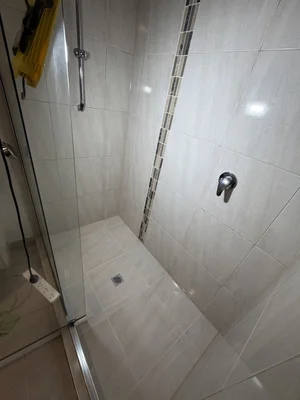
Most Melbourne bathrooms fail quietly, one cracked seam of silicone at a time, until someone finally notices the smell or a soft patch near the shower screen.
Bathroom resealing in Melbourne is the fix most homeowners put off, mostly because they assume it’s expensive or unnecessary until something worse happens. Silicone and grout aren’t decorative. They’re the only thing stopping water from reaching the timber, plasterboard, and subfloor behind your tiles. Once that seal fails, water gets in daily, every time someone showers.
This guide breaks down what the job actually involves, how shower resealing jobs in Melbourne are priced, and how long a proper seal should last before you’re back here again.
What Bathroom Resealing Actually Fixes
Resealing is the process of removing old silicone and replacing it with new silicone at the joints in your bathroom — where the shower, bath, and vanity meet the tiles. These joints move slightly with temperature and use — and silicone is the only material flexible enough to keep sealing them properly.
A proper reseal fixes:
Cracked silicone around the shower
Gaps between wall and floor tiles
Mould growing under the silicone
Silicone that has come loose around the bath or vanity
Water sitting at joints instead of draining away
Why Resealing Your Bathroom Is Important
Silicone breaks down with heat, movement, and age — and once it does, everything behind your tiles is exposed. Here are more reasons why bathroom resealing is important.
Prevents Water Damage
Damaged or worn silicone lets water seep through the joints around your shower, bath, and vanity. Resealing on time keeps water out of these vulnerable spots and lowers the risk of ongoing moisture damage.
Reduces the Risk of Mould Growth
Cracked or failing seals let moisture collect in the joints, and that’s exactly where mould likes to grow. Replacing old silicone with a proper mould-resistant seal cuts that risk down, especially alongside decent ventilation and regular cleaning.
Helps Protect Bathroom Fixtures and Surrounding Surfaces
Water getting in through failed seals wears down the materials around it over time. Keeping your seals in good shape around the shower, bath, and basin protects those surfaces from moisture they shouldn’t be exposed to.
Supports the Bathroom’s Waterproofing System
Resealing keeps your exposed joints doing their job and backs up the waterproofing system underneath. It won’t fix a damaged membrane or solve a leak coming from the plumbing, though; that’s a separate problem.
Helps Reduce the Risk of Costly Repairs
Dealing with worn seals early stops small moisture issues from turning into bigger ones. If leaks keep showing up after a reseal, it’s worth getting a professional in to find out what’s actually going on.
Ultimately, none of this fixes a bathroom that’s already past the point of resealing. If the walls, floor, or waterproofing underneath are the real issue, read our complete guide to bathroom restoration in Melbourne to see what that job actually involves.
How Often Should You Reseal Bathroom Grout?
Most Melbourne bathrooms need resealing every 3 to 5 years, though high-use showers can wear out faster than that. Grout itself holds up reasonably well over time, but the silicone around it breaks down sooner — worn down by constant water exposure, movement, and everyday cleaning products. If your silicone is cracking, shrinking, or turning black despite regular cleaning, that’s a sign to reseal now, regardless of how recently the last job was done.
Signs Your Bathroom Needs Resealing
Most of these signs are visible without any inspection. If you notice two or more, it’s worth getting the seal looked at.
Silicone that’s cracked, split, or coming away from the tile
Black or pink discolouration along the seal that won’t scrub off
Gaps where the silicone has shrunk away from the edge
A musty smell that doesn’t go away after cleaning
Water pooling at the base of the shower instead of draining
Soft or discoloured grout near the joints
If the smell, staining, or soft spots persist well past a reseal, that often points to a deeper problem, our guide on leaking shower causes and warning signs covers what to check next.
How Much Does Bathroom Resealing Cost in Melbourne?
Across Melbourne, bathroom resealing costs can vary depending on the size and condition of the area. A single shower resealing usually costs less, while a full bathroom covering the shower, bath, and vanity may cost more. The exact price comes down to three things: how much old silicone needs to be removed, its condition, and the work required to complete the job properly.
Price tends to move with:
Size of the area — more joints to strip and reseal means more labour
Condition of the existing silicone — mould-stained or heavily built-up silicone takes longer to remove cleanly than a seal that’s simply worn
Sealant grade — mould-resistant and antimicrobial silicone costs more than standard but lasts longer in a wet area
Access — a tight ensuite or an awkward shower angle adds time a standard bathroom wouldn’t need
Getting an accurate price usually means having someone look at the bathroom in person, since silicone condition and layout vary enough from job to job that a number over the phone is only ever a rough guide.
How Long Does Bathroom Resealing Last?
A properly completed reseal may last up to 3 to 5 years, though this depends on a few contributing factors.
A well-ventilated bathroom with moderate use can often go beyond the 5-year mark. And a high-use family bathroom with limited airflow tends to wear down faster. Here are some factors that can influence lifespan.
Ventilation — bathrooms without adequate exhaust may hold onto moisture for longer, which can speed up silicone breakdown
Usage — frequent showering can mean more expansion and contraction at the joints over time
Sealant quality — mould-resistant, higher-grade silicone tends to outperform standard silicone in wet areas
Application quality — silicone applied over existing residue or a damp surface may fail sooner than expected
Cracking, shrinking, or discolouration are often early signs your silicone is failing. If any of these signs appear in your case, it’s worth arranging a reseal rather than waiting for things to get worse.
Professional vs. DIY Resealing
Many homeowners reach for a tube of silicone before calling anyone, and for a small job, that’s often the right call.
But DIY resealing suits a narrow set of situations: one small, visible crack in an otherwise sound seal — with easy access and no sign of water getting through. Beyond that, the margin for error grows fast, and a reseal is only as good as the prep behind it.
DIY works when:
The damage is minor and isolated to a single joint
There’s no musty smell or visible mould behind the silicone
You have the right tools and bathroom-grade silicone on hand
Call a professional when:
More than one area needs resealing
There’s any sign of mould, water staining, or a soft surface nearby
The last reseal didn’t last as long as it should have
Removing every trace of old silicone matters more than the application itself, and that step is easy to get wrong without the right equipment. Leftover residue, trapped moisture, or tiles that aren’t quite level will all shorten the life of a DIY job regardless of how neat the finish looks.
Once a job falls into that second list, it’s worth bringing in bathroom sealing services in Melbourne rather than attempting a second DIY fix. Elkan Group approaches resealing with the same care we apply to the rest of a bathroom: proper prep, proper application, and a workmanship guarantee behind the result.
Conclusion
A failing seal rarely announces itself. It’s a hairline crack today and a damp patch behind the tiles a year from now, and the gap between those two points is exactly where resealing does its job.
If your bathroom is showing cracked silicone, discoloration, or a smell that won’t go away, that’s worth acting on now rather than waiting for a bigger problem to force your hand. Elkan Group provides free, no-obligation quotes for bathroom resealing across Melbourne, with the same team handling everything from the initial inspection through to the final seal.
Get a Free Quote or call 0478 629 880 to book a site visit.
Frequently Asked Questions (FAQs)
Q1. Will resealing stop a leak that’s already reached the subfloor?
Ans: No. Resealing only addresses the surface joint, not water that’s already soaked into the subfloor or framing. That damage needs a separate repair and likely a waterproofing assessment.
Q2. Can you reseal over existing silicone, or does it all need to come off first?
Ans: Old silicone has to come off completely. New silicone won’t bond properly over the old layer, and the seal will fail faster if it’s applied on top.
Q3. Will resealing stop water stains that have already appeared on the ceiling below?
Ans: No. Ceiling staining means water has already passed through the floor or wall, which points to a waterproofing issue, not a sealing one. Resealing won’t reverse existing damage.
Q4. Is resealing cheaper than regrouting, and when would I need both?
Ans: Yes, resealing is generally a cheaper job. You’ll need both if the grout is cracked or porous, as well as the silicone, since one without the other leaves a gap in protection.
Q5. What happens if the new seal fails earlier than expected?
Ans: Under normal use, a properly applied seal shouldn’t fail early. If it does, workmanship-covered jobs are rectified under the guarantee, excluding damage from misuse or unrelated issues.