

BALCONY RESEALING
HOME : Balcony Resealing
Balcony Resealing in Melbourne, Australia
A Reseal Now Can Skip a Retile Later
A cracked grout line on a balcony doesn't stay a small problem for long. Water gets into that crack every time it rains. Eventually, it works its way down to the membrane underneath the tiles. Once that membrane fails, resealing isn’t enough anymore. The whole surface usually needs retiling. Elkan Group provides balcony resealing across Melbourne, helping property owners get the fix before it turns into a huge repair.
The Difference Between a Surface Crack and a Real Problem
Not every crack on a balcony means there's a serious problem, but leaving it too long can turn a small one into a bigger issue. A crack in the grout (isolated to one or two spots) with no leaks showing up below and no tiles moving underfoot is usually a surface-level issue.
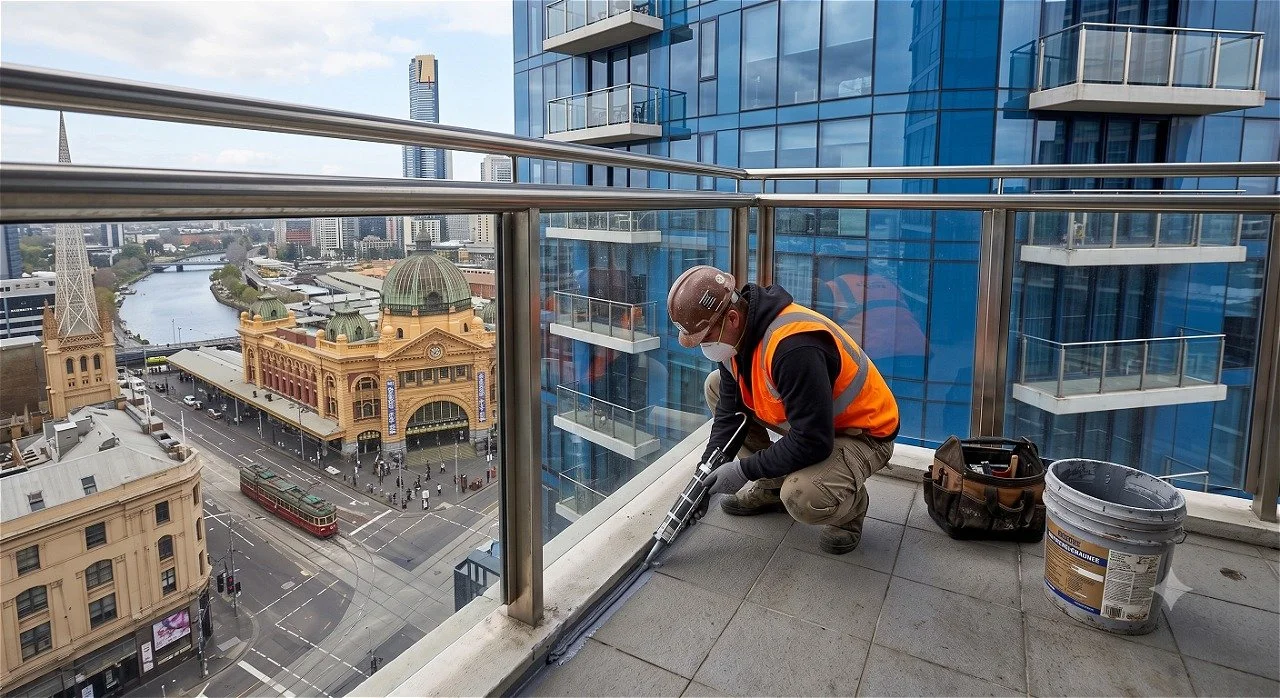
Resealing fixes that kind of damage directly, removing the old grout and silicone and sealing the joint properly before water gets any further than it already has. Elkan Group checks for exactly that. We inspect the tiles, joints and any visible signs of damage before recommending a fix. With us, you can expect reliable balcony resealing services in Melbourne, designed to reseal structurally sound tiled balconies without removing tiles.
Our Balcony Resealing Services
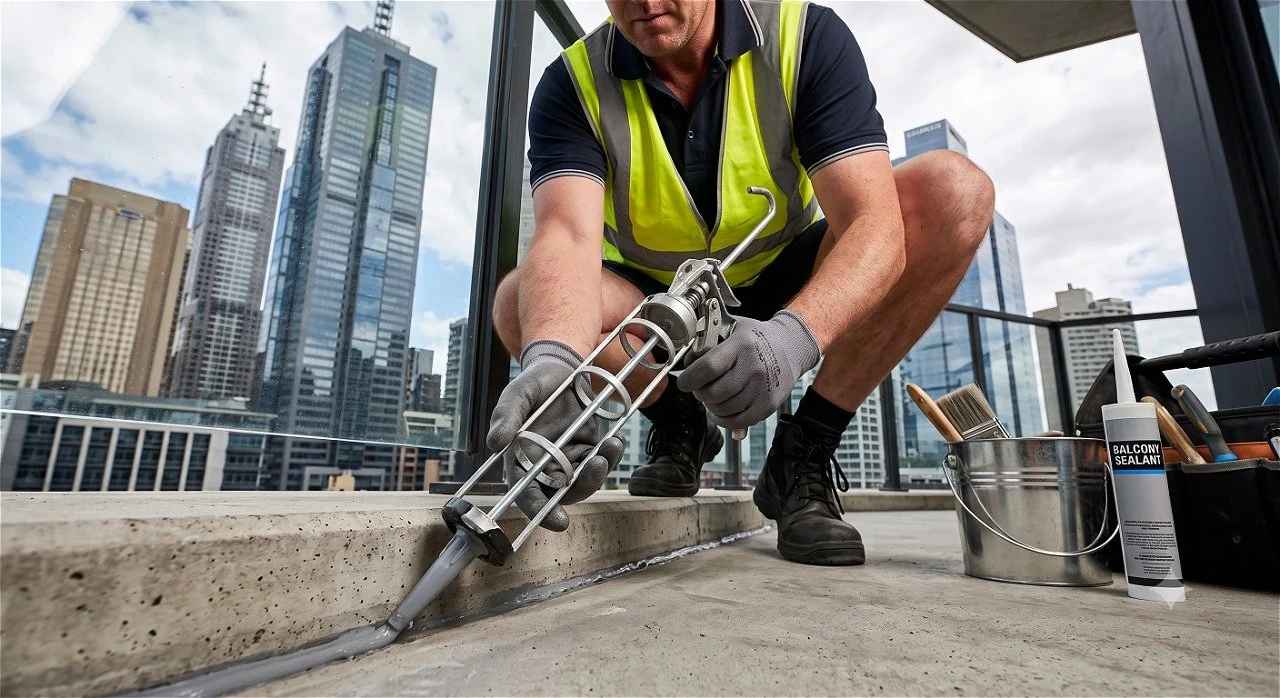
Resealing targets the joints and edges where water actually gets through, removing old, failed grout and silicone and replacing them with a proper seal.
Areas We Cover
Balcony floor grout resealing
Perimeter and edge sealing, where the balcony meets the wall or door
Corner and junction resealing, where cracking usually starts first
Drainage point sealing, where water pools or drains off the balcony
What's Included
Inspection of grout, silicone, and visible tile condition
Removal of old, cracked, or failing grout and silicone
Surface cleaning and preparation before resealing
Application of grout and sealant suited to outdoor and high-exposure conditions
Final check to confirm a clean, watertight seal
If you’re noticing cracked grout or silicone on your balcony, get in touch for a free quote today, and we'll inspect the joints to confirm resealing is the right fix.
Why Choose Elkan Group for Balcony Resealing
Outdoor conditions test a reseal harder than an indoor bathroom ever will, direct sun, rain, and temperature swings all work against grout and silicone that wasn't applied properly.
Here's what Elkan Group brings to every balcony job:
Expert Application: Our team applies grout and sealant using techniques suited specifically to outdoor balconies, since the surface prep and application method directly affect how long the seal actually lasts.
Thorough Inspection: We don't just check the balcony before starting, we inspect it after the work's done too, confirming the finished seal is holding properly before we call the job complete.
Weather-Resistant Materials: Depending on how much rain and sun exposure your area gets, we recommend the sealant and grout best suited for long-term durability - not a one-size material used regardless of conditions.
Clear Communication: We stay upfront about cost and timeline from the start, so there's no confusion or unexpected delays along the way.
Get Your Free Quote Today!
Cracked grout or peeling silicone on your balcony rarely fixes itself with time. Reach out to Elkan Group for a free quote, we'll take a look at the joints, check for any signs of deeper damage, and let you know exactly what's needed to seal it properly.
Call us: 0478 629 880
Email: elkangroup98@gmail.com
Frequently Asked Questions
-
Most balcony grout needs resealing every 3 to 5 years, though outdoor exposure to sun and rain can shorten that timeframe.
-
Cracked grout with no leaks below is usually a resealing fix. Loose tiles or ceiling stains below the balcony often point to membrane damage underneath.
-
Most resealing jobs take a day, depending on the size of the balcony and how much grout and silicone needs replacing.
-
New grout and sealant typically need 24 to 48 hours to cure fully before regular use, especially if rain is forecast.
-
Yes, resealing needs a dry window to cure properly, so work is usually scheduled around dry weather rather than during or right before rain.